


Are personalized wedding gifts better than generic ones?
Written by: Daniel Koren, Co-Founder, Frameology | Last updated: September 29, 2026
Key takeaways
Personalized wedding gifts work best when they show real knowledge of the couple’s taste, home, and shared story.
The effort heuristic shows that recipients value gifts based on perceived thoughtfulness more than cost, so specific personalization matters.
Personalized gifts often fail when they assume surnames, clash with decor, or focus on one partner instead of the couple.
Registry gifts can feel more thoughtful than personalized ones when you aren’t confident about the couple’s preferences.
Frameology offers custom framing that combines personalization with daily usefulness, so wedding gifts stay on the wall instead of in storage.
Shop personalized wedding gifts at Frameology
The problem with choosing a wedding gift
The tension feels real. A registry gift feels safe but impersonal, like you’re fulfilling a purchase order. A personalized gift feels meaningful but risky, because it might miss. Many gift-givers get stuck between the two and default to a gift card, which satisfies nobody and communicates very little.
The cost of getting it wrong in either direction is real. An off-registry personalized gift that misses gets returned, stored, or quietly resented. A purely generic gift signals minimal effort. A YouGov 2023 UK Gift-Giving Survey found that the top reason cited for gift dissatisfaction was “it didn’t feel chosen for me,” named by 71% of dissatisfied recipients. Generic gifts often fail to show that the giver knows and values the recipient as an individual. The real test is whether the gift proves you know these two people.
Why personalized wedding gifts work when they land
Personalized gifts can create a strong emotional response, and the psychology behind that effect is well documented. The effort heuristic, drawn from research published in the Journal of Experimental Social Psychology, describes how people judge the value of a gift based on perceived effort rather than actual cost. A personalized gift scores higher on perceived effort than an identical non-personalized version, even when recipients know both cost the same. Effort signals attention, and attention signals that the giver truly knows the recipient.
A 2024 University of Bath study found that personalized gifts raise recipients’ self-esteem and make them feel more cherished, an effect distinct from simply spending more money. The researchers explained that a personalized gift makes the giver’s choices visible. The recipient can see what was decided on their behalf, and that visibility creates the feeling of being known.
Research from London Business School found that generic and personalized gifts are rated similarly at the moment of receipt, but their perceived values diverge sharply over time. Generic gifts declined in perceived value by an average of 31% at 12 months, while personalized gifts increased by an average of 18%. Personalized gifts often become memory objects that stay visible.
As Frameology founder Ben Koren put it in Architectural Digest, “Unlike social media or an album, a framed photo is a memory that lives out in the open. It bears daily influence on our environment, the thoughts in our heads, and the stories we tell to other people.”
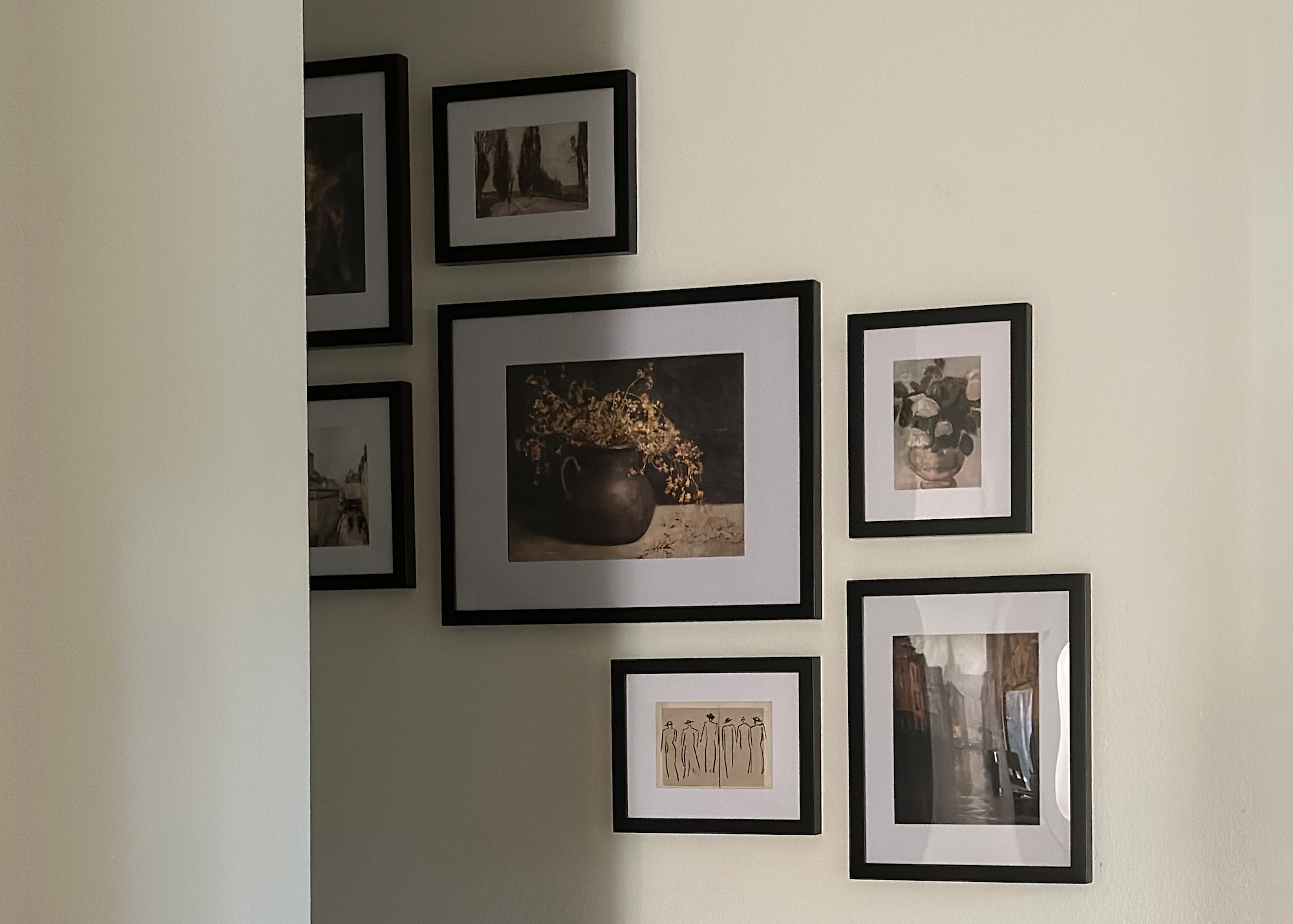
Personalization works when it’s specific and rooted in the couple’s real life, not when it’s just decorative.
Three common ways personalized wedding gifts miss the mark
Personalized gifts usually fail because of fit. Each failure mode below comes from a mismatch between the gift and the couple, which means you can avoid these problems.
Name assumptions: A “Mr. and Mrs. Smith” sign for a couple where one partner is keeping their name is one of the most common personalization misfires. Etiquette guidance from Fizara explicitly warns that guests should never assume either partner will change their surname after marriage, and that first names, initials, or the wedding date are safer than a shared last name on personalized items. Tinggly’s 2026 wedding gift guide echoes this and notes that monograms and surname-based personalization are riskier than buyers often assume.
Decor mismatch: A custom piece that clashes with a minimalist apartment rarely earns a place on the wall and often ends up in a closet. Fizara identifies oversized decor, like large paintings, sculptures, and decorative furniture, as a wedding gift to avoid unless specifically requested. These pieces require space and must match the couple’s taste, effectively making a permanent decorating decision for someone else’s home. The less you know about their aesthetic, the higher the risk.
One-sided inside jokes: A gift that only one half of the couple understands functions as a gift for one person with the other person’s name on it. Fizara’s etiquette guidance explicitly lists “gifts intended mostly for one partner” among gifts to avoid and notes that a wedding gift is generally for the couple and should recognize both people.
Each of these failures comes from poor fit. A little more thought about names, decor, and balance between partners helps you avoid them.
When a registry gift makes more sense
The registry deserves a real defense as a thoughtful choice.
Research by Flynn and Adams (2009) found that gifts explicitly requested by recipients produce equal or greater appreciation than surprise gifts, yet givers resist giving requested gifts because they feel less thoughtful, a pattern researchers call the “thoughtfulness paradox.” Recipients experience thoughtfulness as receiving what they actually want. Givers often define thoughtfulness as anticipating desires with something unexpected. The data sides with recipients.
A 2026 Good Housekeeping survey of more than 1,300 readers found that more than 62% of respondents who created a registry said they received an off-registry gift they didn’t like. Registry purchases have just 1–2% return rates compared to over 15% for non-registry gifts, because couples handpick every registry item themselves.
Practical doesn’t mean impersonal. As Lexie Sachs, executive director of the Good Housekeeping Institute, explained, “Couples aren’t starting from scratch; they’re building upon a life they’ve already created. They’re looking for gifts that feel useful, meaningful, or even experiential, rather than unnecessary or wasteful.”
A registry item chosen with care can feel more personal than a generic personalized item that misses. When you don’t know their taste well enough to feel confident, the registry becomes the thoughtful choice.
A simple framework for choosing a wedding gift
This decision comes down to two variables: how well you know the couple and whether they have an active registry. If you know the couple’s taste and they have an active registry, buy from the registry and add a small personalized supplement if you want a sentimental layer. A framed photo of a meaningful moment works well alongside the registry item. If you know their taste and there’s no registry, you have a green light for a personalized gift and the knowledge to make it land.
If you don’t know them well and they have a registry, stick to it and avoid guessing at their taste, home style, or name preferences. If you don’t know them well and there’s no registry, cash or a flexible gift card with a genuinely written card is the honest choice, and etiquette guidance from Fizara confirms this is a perfectly appropriate option when there’s no registry to reference.

How to personalize a wedding gift that’s also useful
The strongest wedding gifts feel personal and also earn a place in the couple’s home. That combination of personalized and useful creates staying power.
A framed photo of a meaningful place or moment does exactly this. It’s personal because it reflects something real about the couple’s story. It’s useful because it lives on a wall, not in a drawer. As Frameology’s founder noted in Architectural Digest, a framed photo “bears daily influence on our environment, the thoughts in our heads, and the stories we tell to other people.”
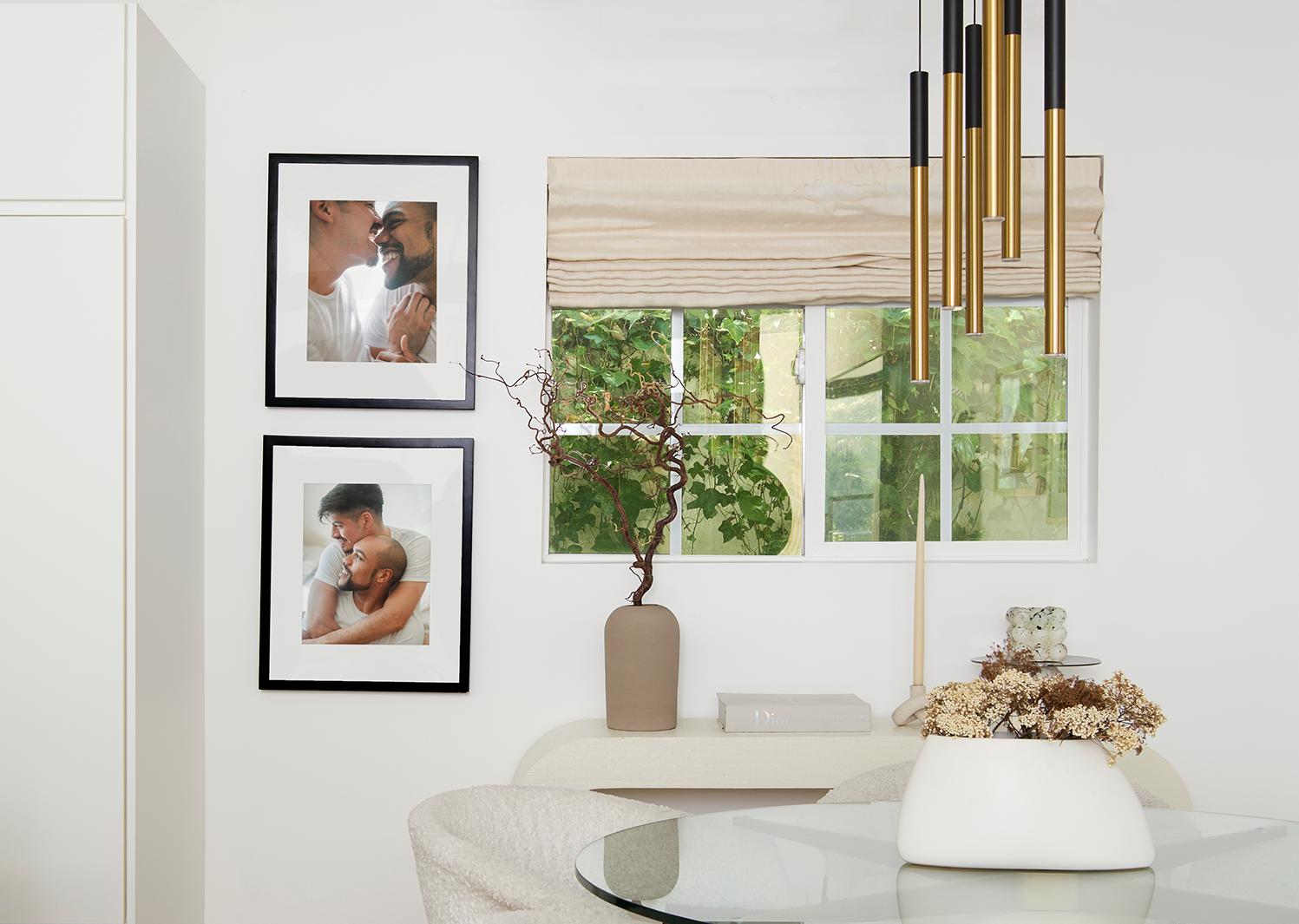
Frameology is built for exactly this kind of gift. The company combines 30+ years of family-owned framing heritage with hand framing in the United States and a mobile-only augmented reality (AR) preview that lets you see the frame on a wall before buying. With over 7,700+ verified 5-star reviews and a near-perfect 4.98/5 rating, Frameology ranks among the highest-rated online custom framing services.
For the gift itself, there are two main tiers to consider. Classic Wall frames, starting at $59, deliver strong value and fast shipping. They include a removable backing so the couple can swap photos whenever they want, which works well for a first home that’s still evolving. Luxe Wall frames, starting at $79, are built to museum-quality standards. They use premium wood and metal moldings, acid-free mats, and UV-protecting museum-grade acrylic. A sealed permanent backing and all hanging hardware, nails, and a mini-level come in the box.
For a bigger statement, a ready-to-hang gallery wall can become an unforgettable wedding gift. Classic gallery walls start at $198 and include a life-size gallery wall template for straightforward installation. You tape it to the wall, hammer nails into the marked spots, and the whole arrangement goes up in under an hour. Luxe gallery walls start at $638 and include the same life-size gallery wall template, plus a dual-point hanging system for precise leveling and an editorial finish that looks professionally designed.

Browse personalized wedding gifts at Frameology
Pre-purchase checklist for wedding gifts
Before buying any wedding gift, personalized or otherwise, walk through these five questions.
Do I know their taste? If you can’t confidently describe their home style, color preferences, or aesthetic, treat that as a signal.
Do they have a registry? If yes, that’s your baseline. Departing from it requires confidence in your knowledge of the couple.
Will this fit their space? Oversized decor, highly specific artwork, and large decorative pieces require space and must match the couple’s home, not yours.
Does this assume anything about their names or identity? Confirm names, spelling, and preferred format before ordering anything personalized. Avoid assuming a shared surname.
Is this useful or just decorative? A gift that earns a place in their daily life usually outlasts one that ends up in long-term storage.
If you can answer all five confidently, a personalized gift makes sense. If you can’t, the registry or a flexible option is ready for you.
Explore framed wedding gift ideas at Frameology
How to think about personalized vs. generic gifts
The real question is whether the gift proves you know these two people. Personalization delivers thoughtfulness when it reflects that knowledge. A gift with two names on it doesn’t automatically feel personal, and a registry item chosen with care doesn’t automatically feel generic.
The same criteria apply in every scenario: Do you know their taste? Have you checked the registry? Will it fit their space? Have you verified name assumptions? Is it useful or just decorative? When you answer those five questions honestly, the right gift becomes clear, whether it’s a framed photo of the place they got engaged, a ready-to-hang gallery wall for their first home, or a carefully chosen item from the list they built themselves.
The gift that wins is the one they’ll see every day. Frameology’s Classic Wall frames, starting at $59 and Luxe Wall frames, starting at $79 are hand framed in the United States, built to museum-quality standards, and designed to earn a permanent place in a couple’s home. That’s the personalized and useful sweet spot where the most memorable wedding gifts live.
Find a wedding gift they’ll see every day at Frameology
Frequently asked questions
Are personalized wedding gifts better than generic ones?
Personalized wedding gifts become better than generic ones when they fit the couple. Fit means knowing their taste, home style, name preferences, and shared story well enough to choose something that reflects all of it. When personalization is specific and grounded in real knowledge of the couple, it consistently outperforms generic alternatives in long-term perceived value and emotional impact. When personalization is shallow, like a surname assumption or decor that clashes with their home, a thoughtful registry gift usually feels better.
What if the couple doesn’t have a registry?
No registry can be a green light, but only if you know the couple well enough to use that freedom. If you’re close to them and confident in your knowledge of their taste, this is the moment for a genuinely personalized gift, like a framed photo of a meaningful place or moment or a ready-to-hang gallery wall for their first home. If you don’t know them well, the absence of a registry points toward cash or a flexible gift card paired with a genuinely written card.
How much should you spend on a wedding gift?
There’s no single right number, but there are helpful benchmarks. The Knot’s most recent Guest Study found that U.S. wedding guests spent an average of $150 on a wedding gift. The Knot’s 2026 spending guide recommends $250 or more for a best friend or immediate family member, $150–$250 for a close friend, $100–$200 for a good friend, $100–$150 for an extended family member or acquaintance or coworker, and $50–$100 for a distant relative or friend of a friend. Zola’s 2026 data puts the average slightly lower at $130, with most guests spending between $100 and $150. Lizzie Post of The Emily Post Institute recommends giving a gift that matches what you can comfortably afford. Relationship closeness and personal budget matter more than venue or per-plate cost.
Do all gallery walls include hanging templates?
Classic and Luxe gallery walls include life-size gallery wall templates that make installation simple and straightforward. Canvas galleries, Metal galleries, and gallery walls created using Frameology’s Gallery Wall Design Service do not include templates because their construction and customization work differently and often require more tailored installation approaches.
