


Best digital photo frames for museum-quality display
Written by: Daniel Koren, Co-Founder, Frameology
Key takeaways
Museum-quality digital frames use anti-glare matte screens, paper-like mats, and high pixel density to echo traditional gallery displays.
Digital frames make it easy to rotate large photo libraries, but most work reliably for only 3–5 years.
Archival printed and framed photos deliver permanence, with conservation framing preserving images for 50–100 years or more.
Key features to evaluate include resolution, anti-glare coatings, acid-free mats, UV-protective glazing, and overall archival quality.
For heirloom-quality displays that last generations, choose Frameology’s Luxe line of museum-grade frames.
What museum quality means for digital photos
A photo on your phone right now deserves more than getting buried in your camera roll. Maybe it’s a candid from a family trip, a portrait that captured something true, or a moment you’d give anything to relive. The real question is how to display it in a way that does it justice.
“Museum quality” is a standard, not just a marketing phrase. For digital displays, it rests on three pillars: anti-glare matte finish, a physical or paper-like mat, and high pixel density (PPI). Each one matters. A matte or anti-glare coating reduces ambient glare and improves readability in rooms with windows or other light sources, while a glossy screen reflects light and works better in low-light environments. A physical mat creates the visual separation between image and frame that defines gallery presentation. Resolution, measured in pixels per inch for screens, determines how sharp the image looks at arm’s length.
The Alibaba Electronics buying guide recommends prioritizing IPS panels, a minimum 1000:1 contrast ratio, and matte or anti-glare coating over raw resolution specs. Screen glare and contrast affect real-world viewing more than pixel count in rooms where lighting changes throughout the day. A 10.1-inch panel at 1280×800 (about 149 PPI) with a matte finish can look better in a living room than a glossy 15.6-inch 1920×1080 unit.
For printed photos, the standard shifts. At 300 DPI (dots per inch), an 8×10 print requires a 2,400×3,000-pixel source image, and a 16×20 requires 4,800×6,000 pixels. That’s a different measurement from screen PPI. Print quality is judged by physical size and print density, not panel resolution. A high-quality print viewed up close can exceed the perceived sharpness of even a premium digital display.
Top digital frames compared from a photographer’s perspective
The digital frame market has matured. The Digital Picture Frame Market was valued at $9.8 billion in 2025 and is projected to grow at a 12.8% compound annual growth rate (CAGR) through 2032, driven by cloud connectivity, smartphone integration, and demand from multigenerational households. Premium models now feature anti-glare IPS screens, paper-like mats, and free cloud storage, but they still involve trade-offs.
Among the most discussed options, 12-inch cloud-connected frames with anti-glare viewing and caption support sit in the $229 range. Aura’s larger 15-inch Walden digital photo frame with a paper mat, which features a 1600×1200 HD (not 2K) display, is priced at $299. Arzopa’s 2026 guide to subscription-free frames recommends prioritizing a true IPS panel, at least 1280×800 resolution, and a minimum of 16GB of internal storage for a better long-term experience.
On the question of what’s highest-rated, cloud-connected frames with anti-glare screens and free unlimited storage consistently top expert roundups. There’s another category worth considering: E-paper (E Ink) frames. E Ink panels contain no organic materials and don’t suffer from burn-in or luminance decay, with panel lifespans exceeding 10 years under normal indoor conditions. They look remarkably like printed photos. Their color gamut is narrower than LCD, and they can’t display video.
Subscriptions matter too. No major 2026 digital frame models require paid subscriptions for core functionality like cloud sync, app control, and slideshow, though some gate features like video clips or cloud backup behind optional premium tiers. Frames with built-in or SD card storage keep showing photos even if the companion app is discontinued, which matters for long-term use.
Experience why Frameology is the best online framing service today.
Digital frame vs. printed and framed photo for your space
This decision affects how your home feels every day. Here’s how the two options compare.
Digital frames offer genuine convenience. You can rotate thousands of photos, share remotely with family, and update the display without touching the wall. For households with large photo libraries, the average smartphone user stores approximately 2,795 photos on their device, so a digital frame solves a real problem. It gets photos off the phone and onto the wall.
Convenience doesn’t equal permanence. Consumer-grade digital photo frames average 3–5 years of functional service life, with LED backlights losing 20–30% luminance after 30,000 hours of use, which is roughly 3.4 years at continuous operation. Software and connectivity issues often cause obsolescence before the display panel fails. Frames with Wi-Fi stacks that only support older encryption standards may fail to connect to modern routers, and cloud services can shut down without warning.
Archival-quality printed and framed photos follow a different timeline. Conservation framing using archival, acid-free materials and UV-filtering glazing can preserve artwork for decades. Standard framing yellows in 10–20 years and becomes brittle in 30–50 years. Conservation framing often lasts a century or more with minimal degradation.
On color fidelity, digital frames display color through backlit LCD or E Ink technology, both of which are subject to display aging and ambient light interference. Archival prints, by contrast, use continuous-tone printing on premium photo paper, fixing color at the moment of printing. That color is then protected by UV-filtering acrylic. Museum-grade glazing blocks up to 99% of harmful UV rays. Over a 50-year display period, that difference is the gap between a faded print and one that still looks fresh.
On cost over time, a premium digital frame costs $229–$299 and needs replacing every 3–5 years. A Luxe Wall from Frameology starts at $79. It’s hand-framed in the United States using archival materials, and it’s built to last generations. On emotional value, museums choose prints and frames for a reason. A printed and framed photo has tactile presence. It occupies physical space, catches light differently throughout the day, and doesn’t need a power outlet. The resurgence of analog photography and physical displays reflects a countertrend toward tactile, permanent experiences driven by fatigue with always-on digital life. A framed photo doesn’t ask for your attention. It simply holds the moment.
Discover the best way to print your photos at Frameology.
How to get museum-quality prints and frames with Frameology Luxe
Frameology brings 30+ years of family-owned framing heritage to the online world, with over 7,500 verified 5-star reviews and a 4.98/5 overall rating. Frameology’s Luxe line offers museum-quality construction with acid-free mats and UV-protecting acrylic. The materials meet archival-grade specifications throughout the entire assembly.
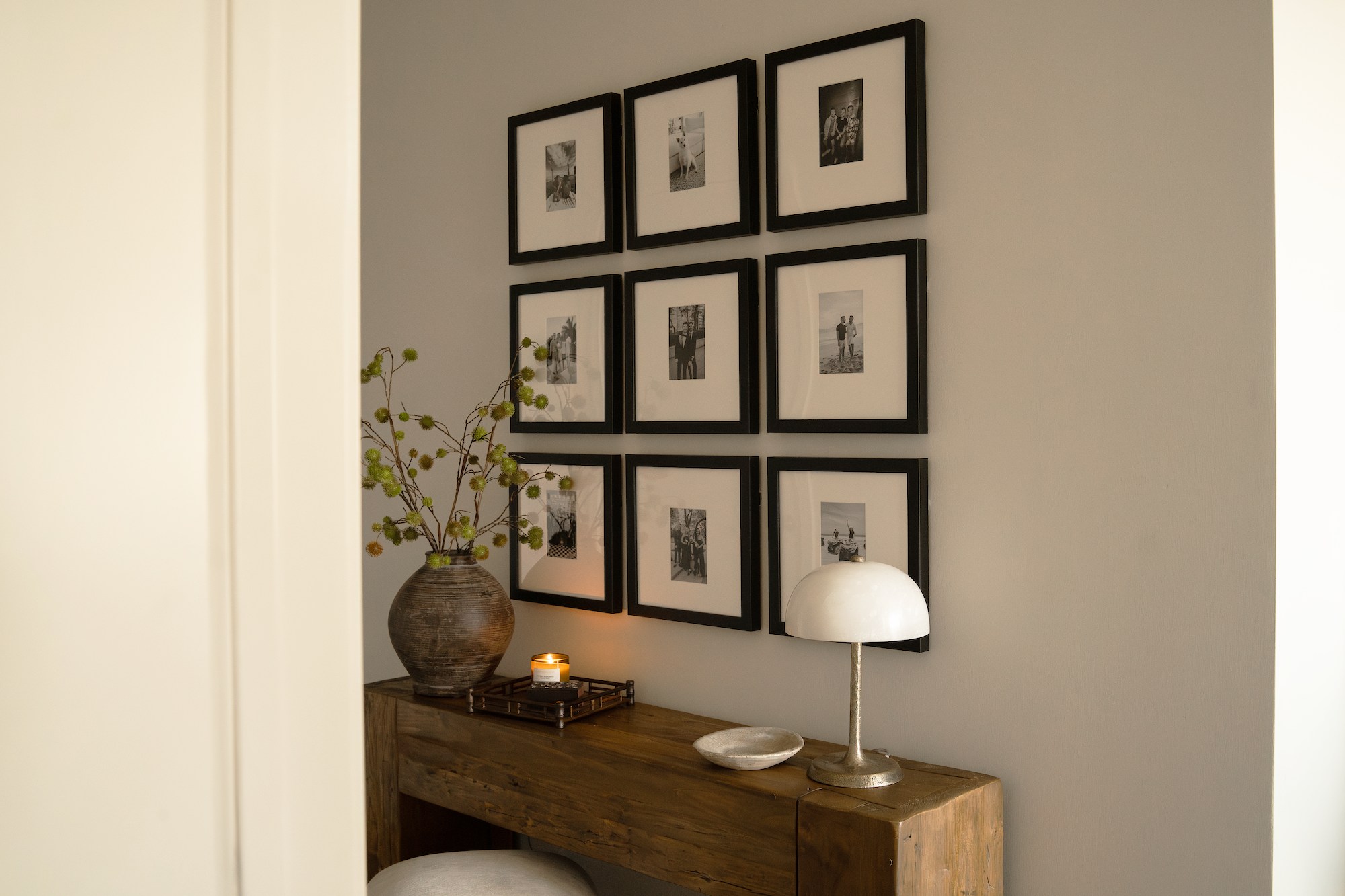
Here’s what’s inside every Luxe frame:
Premium wood or metal moldings.
Acid-free 4-ply rag mats that prevent acid migration and mat burn.
UV-protecting museum-grade acrylic that blocks up to 99% of harmful rays.
Continuous-tone archival printing on premium photo paper, using Entrada Archival 100% cotton fine art paper.
Sealed kraft paper backing for long-term protection against dust and humidity.
A premium no-wire hanging system with two side hangers, nails, and a mini-level included in the box.
Luxe Wall frames start at $79, are hand-framed in the United States, and arrive within 7–10 business days. Before you order, Frameology’s mobile augmented reality (AR) tool lets you preview your exact frame on your actual wall, true to scale.
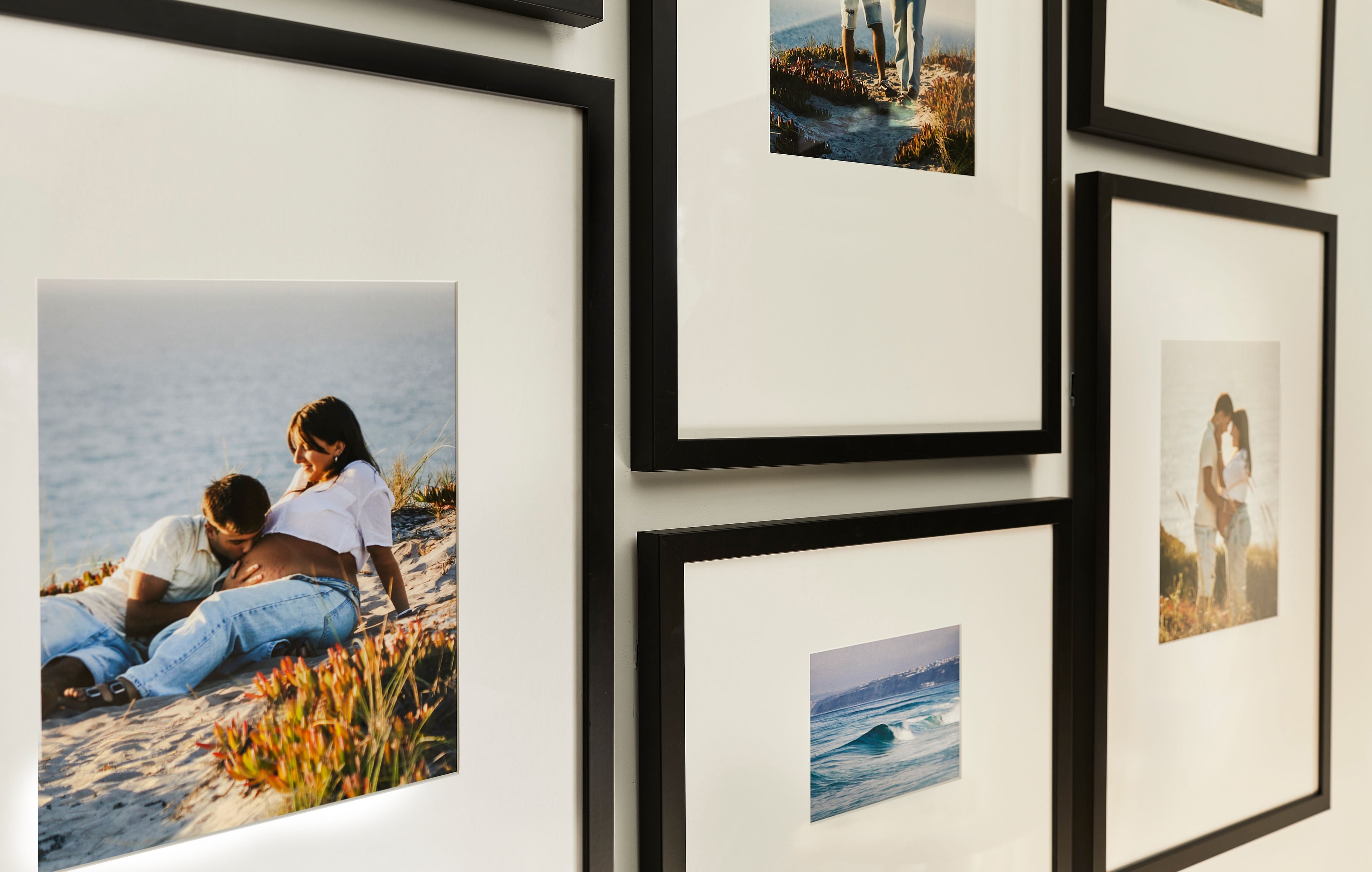
Explore Frameology’s Luxe line to start framing your favorite memories.
Key features to look for in a museum-quality display
Digital frames and printed framing services share the same quality standards. Use these features as a checklist when you compare options.
Resolution: aim for at least 1280×800 on a 10-inch digital panel (about 149 PPI). For prints, Frameology recommends uploading photos at resolutions above 300 PPI for sharp, detailed output.
Aspect ratio: 4:3 matches most smartphone cameras and classic prints. A 16:9 frame works for landscape shots but crops vertical portraits.
Anti-glare coating: this feature is essential for any room with windows or variable lighting. A matte finish improves readability in living rooms, hallways, and other bright spaces.
Mat options: a physical mat creates the visual separation that defines gallery presentation. For printed framing, acid-free 4-ply rag mats prevent acid migration and yellowing over time.
Archival quality: for printed framing, look for acid-free and lignin-free mat boards, UV-protective acrylic or glass, archival-grade backing, and reversible or sealed mounting.
Color calibration: digital frames vary in color accuracy depending on panel type and backlight quality. Archival prints use continuous-tone technology that fixes color at the moment of printing.
When to print instead for lasting impact
A digital frame works well for rotating a large photo library, sharing remotely with family, or displaying photos in a space where flexibility matters. Some situations call for a different approach.
For heirloom-quality gifts, a digital frame ages quickly. The software changes, the display dims, and the ecosystem shifts. A printed and framed photo stays stable. A museum-grade frame built today should look the same in fifty years, with UV-filtering coatings that stay effective and conservation-grade boards that remain stable for decades under normal display conditions.
For permanent display in a curated space such as a living room, hallway, or bedroom, a screen introduces visual noise that a framed print avoids. A growing consumer trend toward authenticity and physical display reflects a broader move away from screen-mediated experiences, especially in spaces designed for rest and connection.
For photography enthusiasts who care about color fidelity, the gap between screens and prints is significant. Museum-quality framing prioritizes preservation: the print is separated from the glazing, mounted with reversible or sealed methods, and supported by archival materials so the artwork can be displayed without avoidable chemical or mechanical damage. No digital frame matches that preservation standard.
Frameology’s Luxe line, with its acid-free 4-ply rag mats, UV-protecting museum-grade acrylic, and continuous-tone archival printing, delivers that standard starting at $79. This approach creates a display that genuinely lasts.
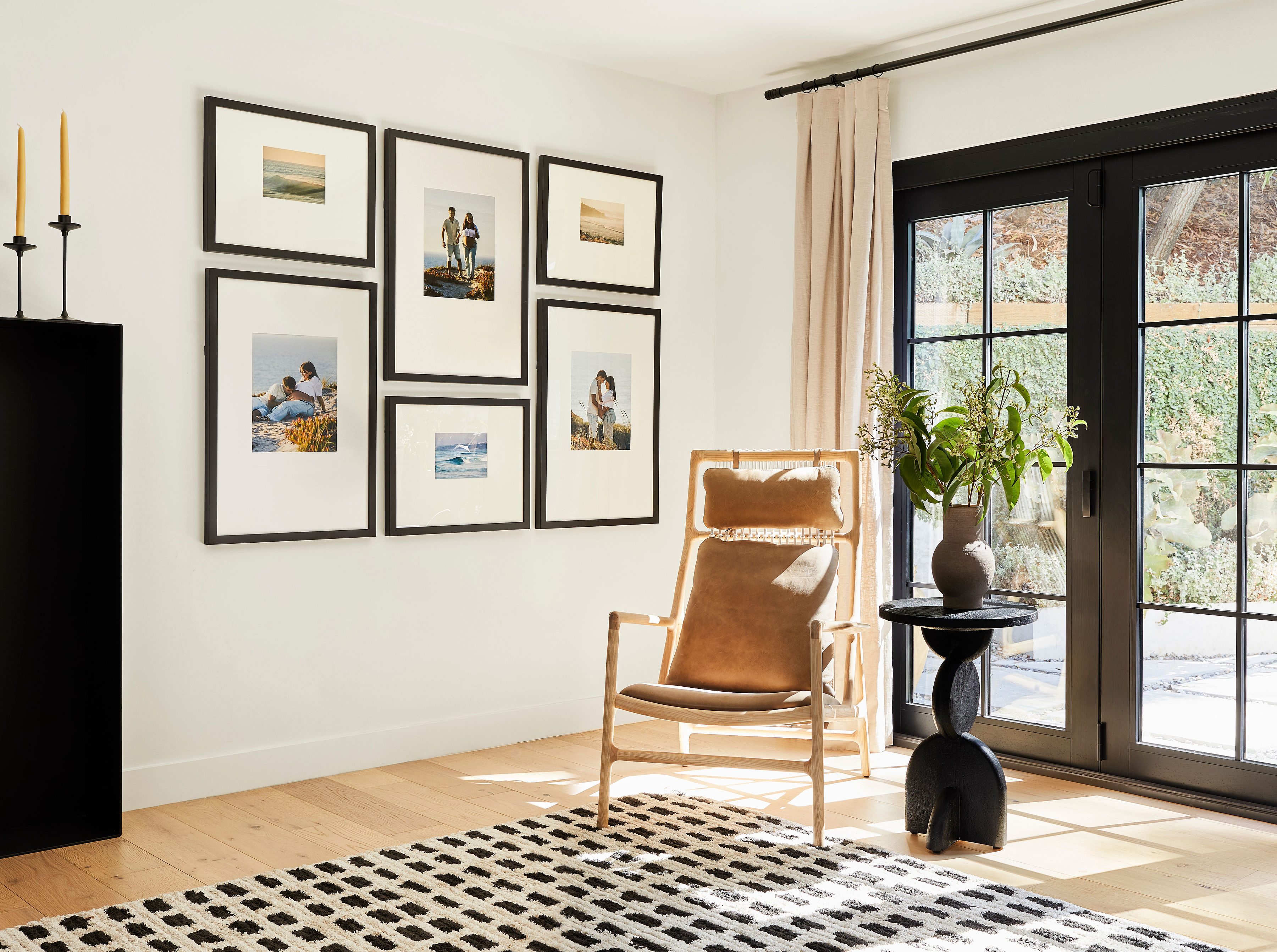
Create an heirloom-worthy display with Frameology Luxe.
Making your choice between convenience and permanence
Museum quality for digital frames means an anti-glare matte finish, a physical mat, and high pixel density. The best digital frames deliver a convincing gallery-like look, rotate through large photo libraries, and require no subscription for core features. They offer a practical way to get photos off your phone and onto your wall.
Digital frames still have a limited lifespan. LED backlights degrade, software ecosystems age, and the frame that looks great today will need replacing within a few years. For the moments that matter most, the ones you want to see every day for the rest of your life and pass on to the people who come after you, printing and framing remains the standard that holds.
Frameology’s Luxe line combines 30+ years of framing heritage with archival-grade materials, United States craftsmanship, and a streamlined digital experience. The AR preview tool lets you see your frame on your wall before you commit. The gallery wall template system makes installation straightforward. The result is something a screen can’t replicate: a physical object that honors a moment.
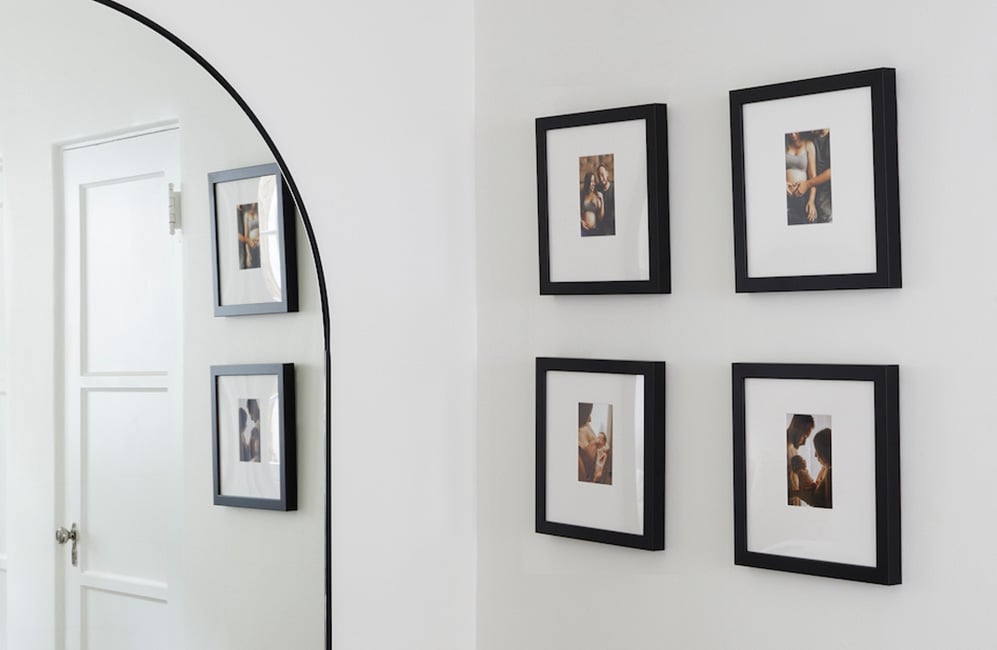
Choose your Luxe frame and start framing your favorite memories.
Frequently asked questions
Are digital photo frames worth buying?
Digital frames are worth buying if your priority is convenience and variety. They let you rotate large photo libraries, share photos remotely, and update your display without touching the wall. Most current models don’t require paid subscriptions for core features, and the best ones offer anti-glare matte screens that closely mimic the look of a framed print. The trade-off is longevity, since many consumer-grade digital frames last only a few years before display degradation or software obsolescence becomes an issue. For photos you want to display permanently, such as heirlooms, milestone moments, and gifts meant to last, a professionally printed and framed photo offers a more durable and emotionally resonant choice.
Do digital photos lose quality over time?
The digital file itself doesn’t degrade. A JPEG stored on a hard drive or cloud service retains its pixel data indefinitely. The display is what changes. LED backlights in digital frames typically lose 20–30% of their luminance after approximately 30,000 hours of use, which translates to roughly 3.4 years of continuous operation. Software and connectivity issues often cause a frame to become functionally obsolete before the panel itself fails. By contrast, an archival print produced with conservation-grade materials and UV-filtering acrylic can maintain its color fidelity for 100 years or more. The image stays consistent because the display medium stays stable.
How long do digital photo frames last?
Most consumer-grade digital photo frames last 3–5 years under typical use. Hardware failure is less common than software obsolescence. Frames that rely on cloud services or proprietary apps can become unusable if the vendor discontinues support or changes their backend infrastructure. E Ink panels don’t suffer from luminance decay and can exceed 10 years of panel life under normal indoor conditions, but they still face battery and software ecosystem risks over time. Conservation-quality printed and framed photos, by comparison, are built to a 100+ year standard using archival materials that stay stable under normal display conditions.
What is the highest rated digital photo frame?
Cloud-connected frames with anti-glare matte screens, free unlimited cloud storage, and no subscription requirements consistently top expert roundups. Among LCD frames, 12-inch models with anti-glare viewing and people-search features are frequently cited as best-in-class. Among E Ink frames, monochrome models with 6–12 month battery life and unlimited free cloud storage have earned recognition from major consumer technology publications. Even the highest-rated digital frame eventually gets replaced, whether by a newer model, a discontinued app, or a dimming backlight. For true museum-quality permanence, a professionally printed and framed photo remains the stronger long-term choice.
What’s the difference between Frameology’s Classic and Luxe frames?
Classic frames and Luxe frames are both printed and crafted with care in the United States, but they serve different needs. Classic Wall frames start at $59 and feature a removable backing, so you can swap photos whenever you like. They’re a strong value option that typically ships the next business day and arrives within a week. Luxe Wall frames start at $79 and are built to museum-quality archival standards. They use acid-free 4-ply rag mats, UV-protecting museum-grade acrylic, continuous-tone archival printing on Entrada Archival 100% cotton fine art paper, and a sealed kraft paper backing that permanently protects the photo. Luxe frames include a premium no-wire hanging system, nails, and a mini-level in the box, and they arrive within 7–10 business days. Because the backing is sealed, photos in Luxe frames can’t be swapped, so they’re designed for permanent, heirloom-worthy displays.
