


Cheap large picture frames that don't sacrifice quality
Written by: Daniel Koren, Co-Founder, Frameology
Key takeaways
Large frames (24x36 and up) put more stress on the molding, glazing, and hardware, so flaws show quickly once you pass roughly 16x20.
Five quality signals determine whether a large frame lasts a decade or fails within a year: premium wood or metal molding, UV-filtering museum-grade acrylic, sealed kraft paper backing, two-point hanging hardware, and acid-free 4-ply rag mats.
Acrylic is the safer, lighter choice for large frames, and museum-grade UV-filtering acrylic blocks up to 99% of UV radiation and protects against fading better than standard glass or plexiglass.
Frameology offers affordable, high-quality large frames starting at $59 with fast shipping, AR preview tools, and options in both the Classic Wall and Luxe Wall lines.
Why large frames fail as they get bigger
Large frames like 24x36 or 40x60 handle stress very differently than small ones. As the frame gets bigger, the weight on the molding, glazing, and hanging points increases, and shortcuts that stay hidden at 8x10 become obvious and damaging at 24x36.
There are four common failure modes to keep in mind before you buy:
Warping or bowing molding: Hollow or composite moldings can’t hold their shape under the weight and span of a large frame. Fab Art's frame guide notes that MDF frames are prone to warping, swelling at corners when damp, and chipping at edges, and a suspiciously cheap frame is almost always MDF. You can check for warping before buying by laying the frame flat and seeing if any corner lifts.
Sagging or drooping corners: Poor joinery at the mitered corners opens up over time, especially when humidity fluctuates. Museums Galleries Scotland documents that changing relative humidity causes frame joints and wooden panels to open or split, which often creates permanent damage.
Scratched or hazy glazing: Standard acrylic scratches easily, and Feilong Acrylic's material guide warns that in large frames, too much flexibility causes bowing that makes reflections look uneven and the display look warped. Lower-grade acrylic may also yellow over time.
Weak or single-point hangers that can’t hold the weight: Austin Gallery's 2026 heavy-frame hanging guide reports that the wire-and-nail combo typically included with a factory frame is rated for only about 12 lbs, which is far less than a large framed print weighs once glass, mat, and backing are added.
The size threshold where quality really starts to matter sits around 16x20 and above. Once you move into 24x36 territory, molding material, glazing thickness, and hanging hardware become the core of the decision.
Shop large frames built to last
The five quality signals to check before you buy any large frame
Five specific details tell you whether a large frame will protect your print for years or start failing on your wall. Use this checklist every time you compare options online or in-store.
Molding material: Premium wood and metal moldings hold their shape at large sizes, while hollow or composite moldings are where warping starts. Fab Art confirms that solid wood doesn’t warp the way cheaper materials do when humidity changes, which matters for frames hung in kitchens, near bathrooms, or close to radiators. Frameology's Luxe Wall, starting at $79, uses premium wood molding and metal moldings.
Glazing type and thickness: The choice between glass, standard acrylic, and museum-grade acrylic matters a lot at large sizes. Frame Destination recommends acrylic as the preferred glazing for large picture frames because the weight of glass can strain the molding, hanging hardware, and even the wall. Luxe frames use UV-protecting museum-grade acrylic, which blocks up to 99% of UV radiation to help prevent fading.
Backing construction: A sealed, permanent kraft paper backing protects the print from dust and moisture, while a loose or open backing leaves it exposed. Runway Heirloom's archival framing guide describes the dust cover as a sheet of kraft paper adhered with archival adhesive that creates a sealed barrier against dust, insects, and humidity fluctuations. Frameology's Luxe Wall features a sealed, permanent kraft paper backing. The Classic Wall, starting at $59, uses a standard removable backing so you can swap photos whenever you want.
Hanging hardware: Two-point hanging systems keep large frames level and stable, while single-point hangers let big frames drift. Picture Hang Solutions explains that with a two-point hanging system, a frame would have to overcome resistance at both anchors at once to tilt, which prevents most real-world drift. Luxe frames come with a premium no-wire hanging system with two side hangers, plus all necessary hanging hardware, nails, and a mini-level in the box. Classic frames use a single metal center hanger, and customers provide their own nails and level.
Mat quality: Acid-free mats prevent yellowing and protect the print over time. The State Library of New South Wales recommends archival, lignin-free mounting board with high alpha cellulose content and warns that standard wood-pulp mat board migrates acid into the artwork over time, which creates the brown “mat burn” line seen on older framed pieces. Both Frameology's Classic and Luxe lines use acid-free 4-ply rag mats.
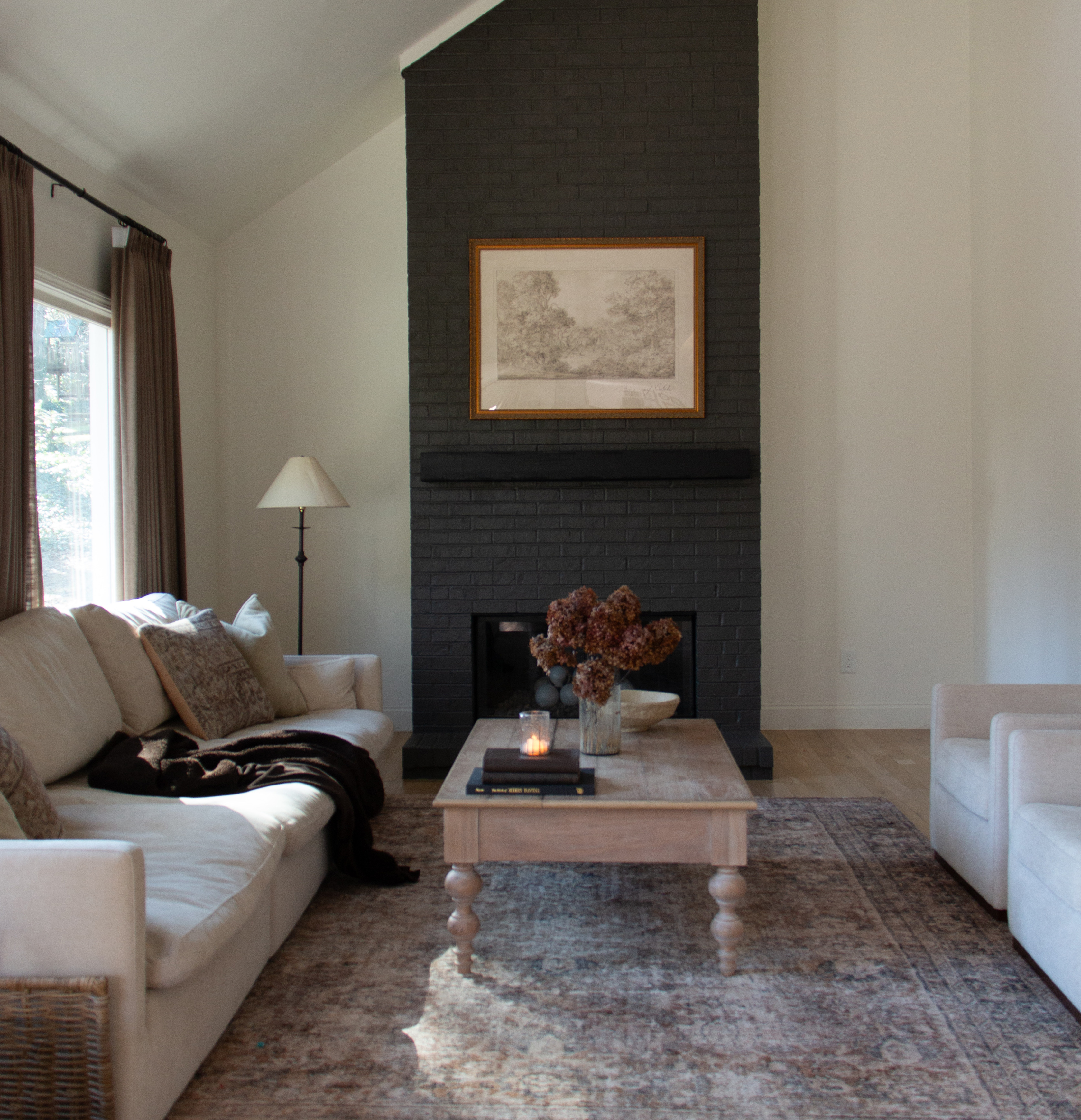
If you want a single snapshot of what a well-built large frame includes, Frameology's Luxe line offers a clear example.
Sizes up to 30x40
Molding: premium wood and metal
Glazing: UV-protecting museum-grade acrylic
Backing: sealed kraft paper
Hardware: two-point hanging system, nails, and mini-level included
Compare Frameology's quality standards
Glass, plexiglass, and acrylic in large frames
The glazing you choose affects weight, safety, and how well your print holds up over time. Glass, plexiglass, and museum-grade acrylic each behave differently at large sizes.
Glass offers sharp optical clarity and resists scratches well, but it adds significant weight at large sizes. Ermax Design's June 2026 comparison puts a 24x36 inch sheet at roughly 10 lbs in glass versus about 4.5 lbs in acrylic, which is a big enough difference to change hanging hardware requirements and installation risk. Standard glass also offers essentially no UV protection unless it has a specific coating.
Plexiglass, or standard acrylic, is lighter and shatter-resistant, but it scratches more easily than glass and lower-grade versions can yellow over time. Frame Destination notes that acrylic is more susceptible to static charge than glass, which attracts dust into the frame during assembly. That becomes a real issue at large sizes where the glazing panel is harder to handle carefully.
Museum-grade acrylic is the right choice for large frames that hold prints you care about. It’s lighter than glass and shatter-resistant. In its UV-filtering form, museum-grade UV-filtering acrylics promoted in the conservation market typically cut 99% ± 1% of UV radiation. The ISO 18902:2007 standard for the 300–380 nm range recommends an overall 97% reduction in transmittance, and ASTM D4802-10 requires at least 95% in the 200–390 nm range. Austin Gallery's framing guide sums it up by recommending acrylic for most homes for anything large or hanging in a high-traffic area, with a UV-filtering version of either material for important art.
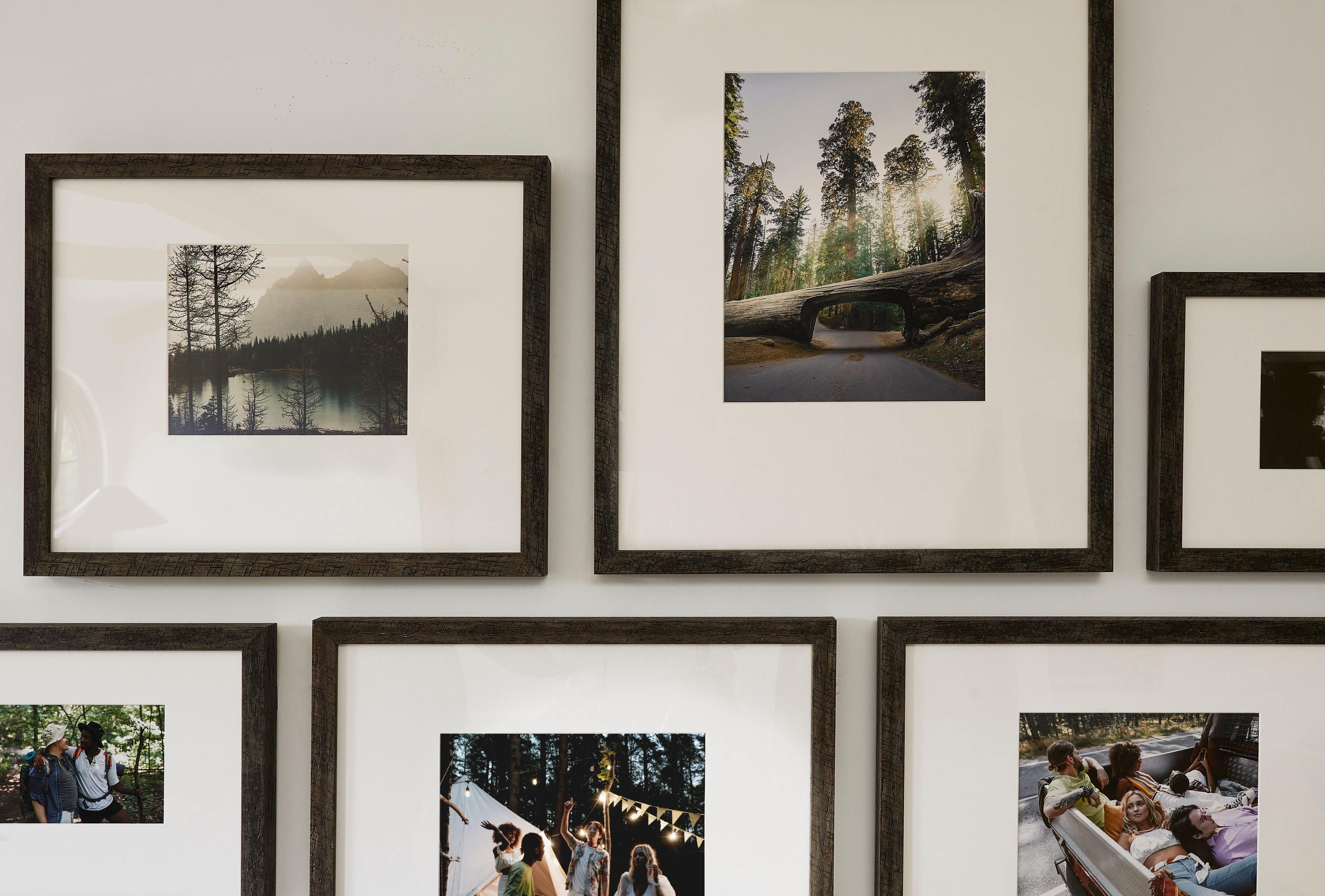
Weight also matters for large frames because heavier glazing demands stronger hardware and sturdier wall anchors. Shadowbox Frames' glazing guide states that for large frames or shipped orders, acrylic should be used exclusively because glass becomes dangerously heavy and fragile above 24x36 inches.
Frameology's Luxe Wall, starting at $79, uses UV-protecting museum-grade acrylic that’s built for long-term display. The Classic Wall, starting at $59, is the value option for everyday framing where you still care about quality but don’t need every museum-level upgrade.
The real cost of a cheap large frame
Total cost over time tells a different story than the price tag on a single frame. A budget large frame from a general retailer such as Target's Craig Frames “Budget Saver” collection typically costs roughly $25–$50. The largest sizes, like 27x40, run about $146. CustomPictureFrames.com's 2026 pricing guide defines the budget tier as frames with a display life of 5–10 years, and that assumes the frame doesn’t warp, scratch the print, or fail at the hanging hardware before then. If it does, you’re buying again, and if the print inside is damaged, you’re reprinting too.
A well-built frame that lasts a decade becomes a one-time cost instead of a recurring one. CustomPictureFrames.com notes that a well-built frame shouldn’t need re-framing for decades, which is the cost-per-year math that matters most.
In 2026, a good-quality large frame (24x36 and up) realistically costs about $127–$365 at online framing services, while independent shops charge $199–$430 or more. Frameology's Classic Table starts at $39, the Classic Wall starts at $59, and the Luxe Wall starts at $79. Each of these price points reflects construction quality, glazing, and mat materials that are strong enough to protect a print you care about. Chasing a $15 large frame often turns into spending $45 over three years on replacements that keep failing.
For context, custom framing for a 24x36 piece can run $150–$900 depending on materials and labor. Frameology's Luxe line delivers museum-quality materials at a fraction of that range.
Explore affordable large frames
Where to find affordable large frames online
Affordable large frames that still offer real protection usually start around $40–$80. Quality varies most sharply below $40, where shortcuts in molding, glazing, and hardware become common. Frameology's Classic Wall, starting at $59, sets a strong value benchmark with acid-free 4-ply rag mats, fast shipping, and a removable backing so you can swap photos anytime.
Hunker named Frameology “best for budget-conscious shoppers” in a comparison of popular online custom framing services, and Reviewed.com praised Frameology for high-quality prints, affordable pricing, and fast shipping. House Beautiful named a Frameology tabletop frame its Best Overall Picture Frame.
For readers who want top-of-the-line, museum-quality framing, the Luxe Wall starts at $79. It includes UV-protecting museum-grade acrylic, sealed kraft paper backing, premium wood and metal moldings, and all hanging hardware. Luxe frames take 7–10 business days because each one is hand framed by artisans.
One feature that removes much of the risk of buying a large frame online is Frameology's mobile-only augmented reality (AR) preview tool. It lets you project a true-to-scale preview of your exact frame onto your wall before purchasing so you can confirm the size and layout before you commit.
How to hang a large frame without damaging your wall
Hanging a large frame safely comes down to choosing the right anchor, using two hanging points when possible, and leveling before you commit.
For frames over 25 lbs, Austin Gallery recommends locating a stud. A #10 wood screw driven into a stud holds 100+ lbs easily, which makes stud mounting the right call for large, heavy frames. For lighter large frames going into drywall, use a snap toggle anchor instead of a plastic drywall anchor, which can fail under sustained load.
The Classic Wall uses a single metal center hanger, and customers provide their own nails and level. Command strips work well for lighter Classic frames on smooth walls. The Luxe Wall comes with a premium no-wire hanging system with two side hangers, plus all necessary hanging hardware, nails, and a mini-level in the box. Avoid Command strips on Luxe frames because they can rip the permanent kraft paper backing.
Readers planning multiple large frames as a gallery wall can simplify installation with Frameology's templates. Classic and Luxe gallery walls include life-size gallery wall templates that make installation straightforward. Tape the template to the wall, hammer nails into the marked spots, remove the template, and hang your frames. Canvas galleries, Metal galleries, and gallery walls created using Frameology's Gallery Wall Design Service don’t include templates because their construction and customization work differently and often need more tailored installation approaches.
Why Frameology is the best place to buy cheap large picture frames online
Frameology brings 30+ years of family-owned framing heritage to a direct-to-consumer experience built around one idea: great framing shouldn’t cost $400 or take three weeks. With over 7,700 verified 5-star reviews and a 4.98/5 star rating, customers consistently confirm that approach.
The Classic Wall, starting at $59, answers the search for affordable large picture frames that still look polished. It offers acid-free 4-ply rag mats, fast shipping, and a removable backing for swappable photos, all hand framed in the United States. The Classic Table, starting at $39, extends that look to tabletop display.
The Luxe Wall, starting at $79, upgrades to museum-quality, USA-crafted framing with premium wood and metal moldings, UV-protecting museum-grade acrylic, sealed kraft paper backing, and all hanging hardware included. You can see the full Classic vs. Luxe comparison to decide which line fits your space and budget.
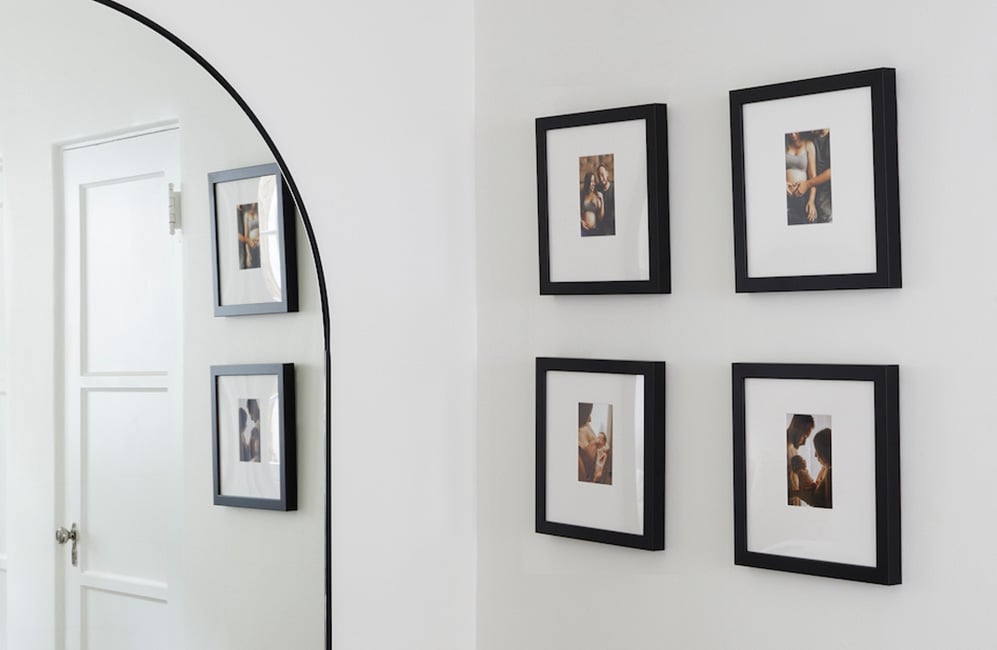
Before you buy, you can also use the mobile-only AR preview to project a true-to-scale version of your frame onto your wall. This tool removes most of the guesswork from buying a large frame online and appears on every Frameology product page.
Shop large picture frames from Frameology
Frequently asked questions
What size counts as a "large" picture frame?
In the framing industry, “large” generally starts at 16x20 and becomes a meaningful construction consideration at 24x36 and above. Frameology's Classic and Luxe frames are available up to 30x40 inches, and canvas prints are available up to 40x60 inches. Once you’re past 16x20, molding material, glazing weight, and hanging hardware all start to matter more than they do at smaller sizes.
Is glass or acrylic better for a large frame?
Acrylic is usually the better choice for large frames. At 24x36, acrylic weighs less than half of what glass does, which affects hanging hardware requirements and installation safety. Acrylic is also shatter-resistant, which matters if a large frame ever falls. The key is choosing museum-grade UV-filtering acrylic that blocks up to 99% of UV radiation, rather than standard clear acrylic that offers no UV protection. Standard glass works for small frames when budget is the main concern, but acrylic suits large wall-mounted pieces better.
How much should I expect to pay for a good large frame?
In 2026, a well-built large frame with solid construction and protective materials realistically starts around $40–$80. Below that range, shortcuts in molding, glazing, and hardware become common. Frameology's Classic Wall, starting at $59, delivers acid-free 4-ply rag mats, fast shipping, and a removable backing. The Luxe Wall, starting at $79, adds UV-protecting museum-grade acrylic, sealed kraft paper backing, and premium wood and metal moldings with all hanging hardware included. Custom framing for a 24x36 piece can run $150–$900 depending on materials and labor, so Frameology's Luxe line offers comparable materials at a lower overall cost.
Do all gallery walls include hanging templates?
Classic and Luxe gallery walls include life-size gallery wall templates that make installation simple and straightforward. Canvas galleries, Metal galleries, and gallery walls created using Frameology's Gallery Wall Design Service don’t include templates because their construction and customization work differently and often need more tailored installation approaches.
Can I preview a large frame on my wall before buying?
Yes. Frameology's mobile-only AR tool lets you project a true-to-scale preview of your exact frame directly onto your wall using your phone's camera before you buy. Open the Frameology website on your phone, customize your frame, and tap the AR icon. There’s nothing to download or log into, and this approach removes much of the guesswork from buying a large frame online.
How long does shipping take for large frames from Frameology?
Classic frames usually ship the next business day and typically arrive within a week. Luxe frames take 7–10 business days because every Luxe frame is hand framed in the United States using museum-quality materials.
Can I swap the photo in my large frame later?
The answer depends on which line you choose. Classic frames feature a standard removable backing, so you can swap photos as often as you like, which works well for seasonal refreshes or new memories. Luxe frames feature a sealed, permanent kraft paper backing designed to protect your photo long term, so photos can’t be swapped once framed. If you think you’ll want to update the photo later, the Classic line is the better choice.
