


Best acid-free picture frames to protect your photos
Written by: Daniel Koren, Co-Founder, Frameology
Key takeaways
Archival framing protects photos for decades by using acid-free, lignin-free materials and 99% UV-blocking glazing.
Standard “acid-free” labels can be misleading, because true protection requires lignin-free cotton or purified alpha-cellulose mats and backings.
Museum-grade glazing must block 99% of UV rays, while standard glass filters far less and leaves photos vulnerable to fading.
Protective framing always includes spacers or mats that keep prints from touching the glazing to prevent condensation, mold, and surface damage.
How truly acid-free frames protect your photos
Acid-free framing protects your photos from yellowing, brittleness, and staining over time. Standard mat board made from wood pulp contains residual lignin and acidic compounds that migrate into prints, which causes yellowing, foxing, and brittleness that often shows up as a discolored border around the mat window within a few years.
True acid-free framing uses mat board made from either 100% cotton fiber (museum board) or wood pulp that’s chemically purified and buffered to a neutral or slightly alkaline pH. Acid-free materials treated with a calcium carbonate buffer offer only temporary protection, because the buffer can deplete over time and allow the material to become acidic again. Naturally lignin-free materials, such as 100% cotton rag or highly purified alpha-cellulose, stay chemically stable for well over a century.
The reason lignin-free materials matter so much is that lignin itself is the key culprit in long-term degradation. Lignin is a wood-pulp polymer that breaks down over time into acidic byproducts responsible for the “newspaper effect,” where paper turns dark brown and fragile after exposure to light and air. A frame labeled “acid-free” that still contains lignin will eventually damage your photos, just on a slower timeline.
While the mat board gets most of the attention in archival framing discussions, the backing board matters just as much. Hardboard and untreated wood backings release acidic gases that can stain paper over time, so archival foam core or acid-free corrugated board are the right choices for long-term photo preservation.
Glass vs. acrylic for long-term photo protection
Both glass and acrylic can deliver conservation-grade UV protection when you choose the right product. High-grade acrylic is about 50% lighter than glass while maintaining 92% light transmission, and it’s virtually shatterproof, which makes it ideal for large-format prints and frames that move often.
Tru Vue Museum Glass blocks up to 99% of UV rays in the 300nm to 380nm range and meets ISO 18902 while passing the Photographic Activity Test (PAT) ISO 18916, so it qualifies as conservation-grade and photo-safe glazing. The same 99% UV threshold is achievable in museum-grade acrylic, which is why it’s the glazing of choice in Frameology’s Luxe frames.
Those museum-grade specifications stand in clear contrast to what most frames use. Standard clear glass filters only about 40–45% of UV light, which falls far below archival standards and translates into much faster fading for your photos.
Why “acid-free” labels don’t always mean archival
Many frames with “acid-free” labels still fall short of true archival protection. A frame can use acid-free mat board while pairing it with a lignin-containing backing, standard clear glass, and no spacers between the print and glazing. Each of those weak points creates a separate risk for long-term photo preservation.
A true archival frame uses acid-free and lignin-free materials throughout, UV-filtering glazing that blocks up to 99% of UV rays, reversible or non-damaging mounting methods, and adequate spacing between the artwork and glazing. If any one of those elements is missing, the frame doesn’t meet full archival standards, no matter what the label claims.
A framer shows archival expertise when they can clearly explain the specific materials used, the protection strategy for each layer, and why each component meets conservation standards. That’s the standard worth using for any frame or framing service.
How much UV protection your photos really need
UV protection thresholds come from conservation research, not marketing. Under Professional Picture Framers Association (PPFA) guidelines, UV-protective glazing must block at least 97% of UV rays in the 300–380 nm range to qualify as UV-protective, and conservation-grade products reach the 99% standard described earlier.
The cost of falling short can be severe. Color photographs have extremely high UV sensitivity, with visible damage appearing in 6–12 months when protection is inadequate. Museums that use UV-filtering glazing see 90–95% less fading over 10-year periods compared with standard glazing.
The Canadian Conservation Institute notes that highly light-sensitive paper objects, including photographs, can show a “just noticeable fade” in as little as 0.8 to 7 days under average daylight, and that damage is cumulative and permanent. Even indirect daylight carries enough UV energy to degrade pigments. The practical takeaway: 99% UV-blocking glazing sets the minimum standard for photos you want to keep for the long term.
Framing choices to avoid for heirloom photos
Certain common framing choices speed up damage instead of preventing it. Preservation experts consistently warn against these practices. Frames that let the print touch the glazing create a serious risk. The American Institute for Conservation’s (AIC) Book and Paper Group Matting and Framing guidelines state that glazing must never rest directly on the surface of a paper object, because direct contact can cause condensation, disfigurement, physical damage, and mold growth.
Acidic backing materials cause another frequent problem. Standard foam core and corrugated cardboard are too acidic for fine art prints and can off-gas compounds that damage prints over time, so they’re poor choices for heirloom photos.
Standard clear glass also gives a false sense of security. Standard window glass blocks far less UV than archival thresholds require, which leaves photos exposed to the main cause of irreversible fading.
Checklist for archival photo protection
When you evaluate any frame for long-term photo protection, use these three criteria as non-negotiable requirements.
99% UV-blocking glazing: Museum-grade glazing must achieve that 99% UV filtration standard per ASTM G173 or ISO 9050. Anything below the PPFA minimum of 97% doesn’t qualify as UV-protective for archival use.
Acid-free and lignin-free mats and backing: Museum-grade mat boards made from 100% cotton with no lignin content are used by museums and libraries worldwide for preserving irreplaceable works. The backing board needs the same standard, so acid-free corrugated board or archival foam core are the right options.
Spacers that keep prints from touching the glazing: Any work on paper needs enough space between the glazing and the artwork for air circulation and natural expansion and contraction with temperature and humidity changes. A mat board or dedicated spacer creates this separation.
Frameology Luxe frames for museum-level protection at home
Frameology’s Luxe line is the only direct-to-consumer framing option that meets every item on that checklist without custom-framing pricing. Every Luxe frame is hand-framed in the United States and ships with that museum-grade acrylic glazing, acid-free mats, and a permanent sealed kraft-paper backing that protects the photo for the long term. As detailed in Frameology’s overview of its museum-quality materials, the Luxe line uses acid-free matting, UV-protecting museum-grade acrylic glazing, and premium wood and metal moldings throughout.
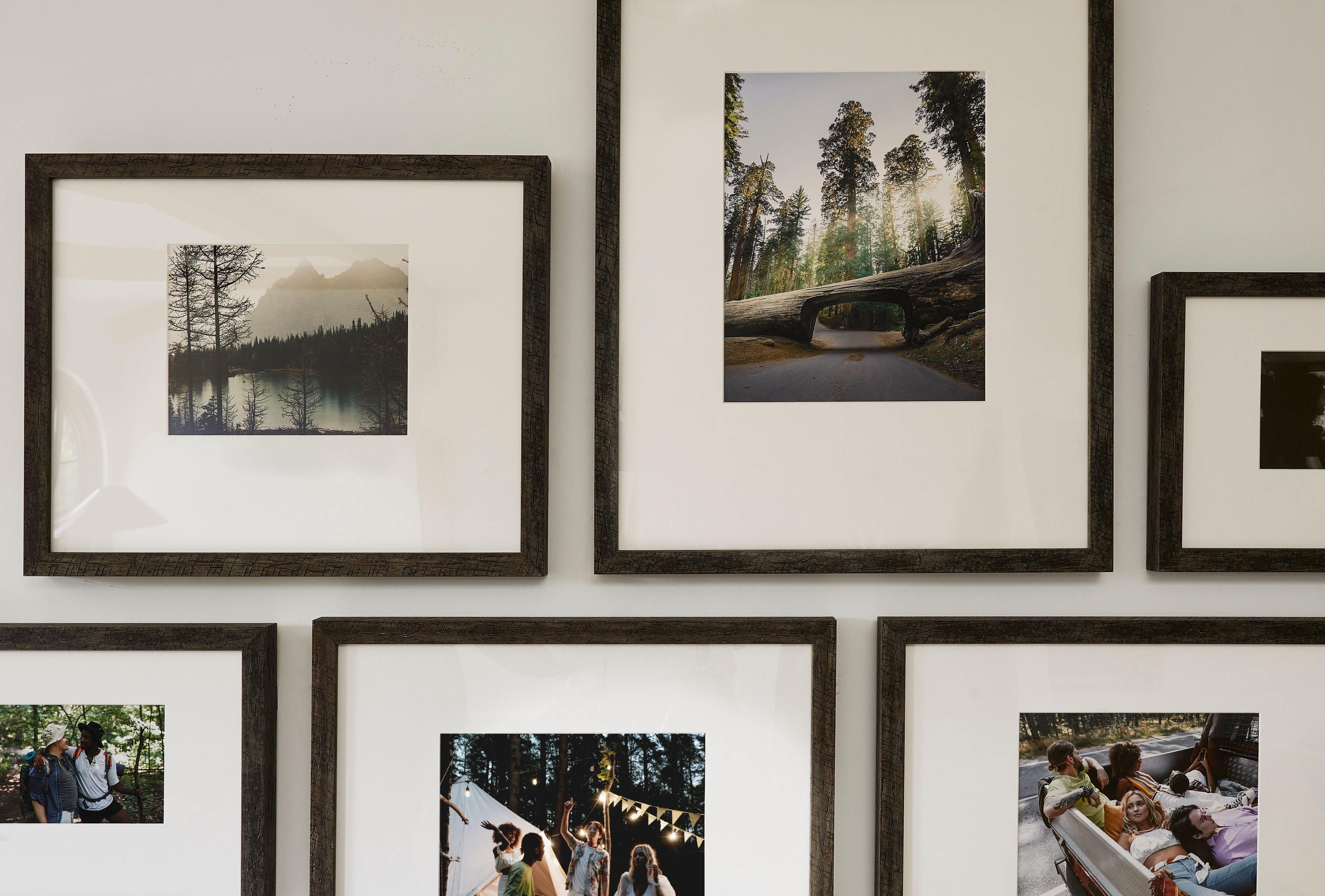
The mat in every Luxe frame creates a critical air gap between the print and the glazing, which prevents condensation, mold, and physical contact damage. That physical separation works in tandem with the sealed kraft-paper backing, which keeps acidic off-gassing from standard cardboard away from the photo. The permanence of that sealed backing enables long-term environmental protection, although it also means photos in Luxe frames can’t be swapped out after framing.
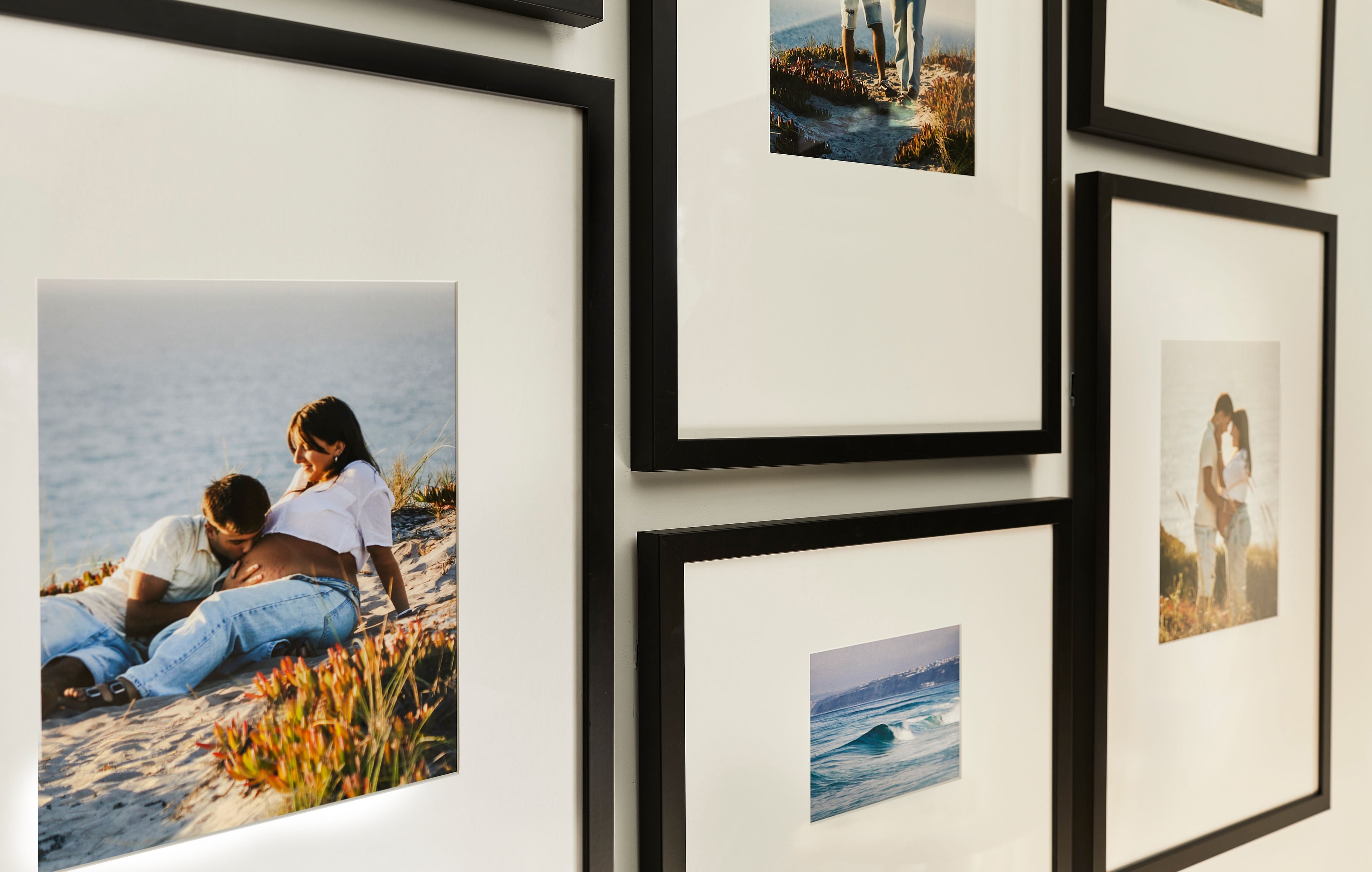
Three premium frames cover most display needs:
Luxe Wall, starting at $79
Luxe Wall Thin, starting at $99
Luxe Wall Wide, starting at $79
Every Luxe frame ships with a premium no-wire hanging system that uses two side hangers for easy leveling, plus all necessary hanging hardware, including nails and a mini-level in the box. You won’t need a separate trip to the hardware store.
The bottom line on archival framing
Archival framing depends on every layer working together: 99% UV-blocking glazing, acid-free and lignin-free mats and backing, and proper separation between the print and the glazing. Most mass-market frames meet only one or two of those criteria. Frameology’s Luxe line meets all of them in a ready-to-order frame that starts at $79 and ships with everything you need to hang it accurately.
Shop museum-quality Luxe frames starting at $79.
Frequently asked questions
What’s the difference between acid-free and archival framing materials?
Acid-free materials have a neutral or slightly alkaline pH that slows immediate breakdown, but that property alone doesn’t guarantee long-term stability. Many acid-free products still contain lignin, which breaks down into acidic byproducts over time. Archival materials are both acid-free and lignin-free from the start, usually through 100% cotton rag or highly purified alpha-cellulose that stays stable for decades. For heirloom photos, look for materials described as both acid-free and lignin-free throughout the mat and backing.
Why does glazing separation matter for photo preservation?
Direct contact between a photo and the glazing traps moisture and causes damage. Condensation can form on the inner surface of the glass or acrylic and transfer to the print, which leads to mold growth, emulsion sticking, and physical disfigurement that you can’t reverse. A mat board or dedicated spacer creates an air gap between the print and the glazing, which allows air circulation and lets the paper expand and contract with temperature and humidity changes. This separation is a non-negotiable part of archival framing, and it’s built into every Luxe frame Frameology makes.
Can I preview how a Luxe frame will look on my wall before ordering?
Yes. Frameology’s augmented reality (AR) tool on mobile lets you project a true-to-scale preview of your exact frame directly onto your wall using your phone’s camera. You won’t need an app download or login. Open the Frameology website on your phone, customize your frame, and tap the AR icon to see how it’ll look in your space. This tool helps design-conscious homeowners get placement and sizing right before they commit.
Do Luxe frames come with hanging hardware?
Every Luxe frame ships with a complete hanging kit: a premium no-wire hanging system with two side hangers for leveling, nails, and a mini-level in the box. The two-point hanging system keeps Luxe frames level and stable on the wall without guesswork. Classic frames use a single center hanger and don’t include hardware, so you’ll need to supply your own nails and level for those.
What’s the difference between Classic and Luxe frames for long-term photo protection?
Both lines use acid-free mats and are hand-framed in the United States, but they serve different needs. Classic frames feature a removable backing, which makes them great for photos you’d like to swap out over time, although that removable backing isn’t sealed and isn’t designed for permanent archival protection. Luxe frames feature a sealed, permanent kraft-paper backing that shields the photo from environmental exposure, along with museum-grade UV-blocking acrylic glazing and premium archival materials throughout. If you’re framing a wedding photo, a family heirloom, or any print you want to preserve for decades, the Luxe line is the right choice, while Classic frames fit everyday displays and seasonal refreshes.
